Oats are one of the most widely eaten whole grains in the world.
From warm morning porridge to overnight oats and smoothie bowls, they’ve long been considered a “healthy” breakfast staple.
But beyond that reputation, many people still ask: what specific oats benefits are actually backed by science?
Research over the past decade has taken a closer look at oats’ nutritional profile, bioactive compounds, and potential health effects.
Studies published in peer-reviewed journals highlight their role in heart health, blood sugar regulation, gut health, and more.
The goal of this article is to examine oats nutrition in detail, science-backed health benefits, potential downsides or considerations and practical ways to enjoy oats.
Let’s break it down.
What Are Oats & Why They Matter
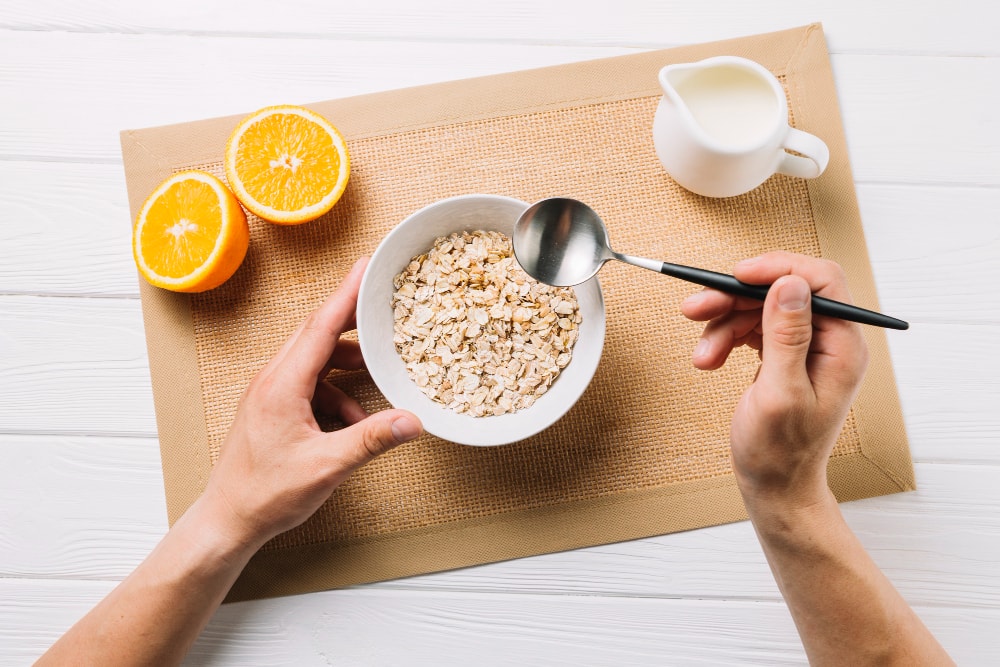
Oats (Avena sativa) are a whole grain cereal commonly eaten as porridge (oatmeal), overnight oats, or added to smoothies and baked goods.
Unlike refined grains, whole oats contain all parts of the grain:
- The bran (fiber-rich outer layer)
- The germ (nutrient-dense core)
- The endosperm (energy-providing starch)
This matters nutritionally. Because oats retain the entire grain structure, they provide fiber, vitamins, minerals, antioxidants, and plant compounds in their natural matrix.
So, are oats healthy?
According to recent reviews, oats are considered one of the most nutritionally functional cereal grains due to their unique fiber composition and antioxidant content.
Nutritional Profile of Oats
Understanding oats nutrition helps explain their health effects. Here’s what makes them stand out:
- Fiber (especially beta-glucan): Oats are rich in soluble fiber called beta-glucan. This type of fiber forms a gel-like substance in the gut, which can help lower LDL cholesterol and improve blood sugar control.
- Carbohydrates (slow-release energy): Oats contain complex carbohydrates that digest more slowly than refined grains. This supports sustained energy levels, useful for active individuals or those trying to avoid energy crashes.
- Protein (moderate for a grain): Oats contain more protein than many other cereal grains. While not a complete protein source, they contribute meaningfully to total daily intake, especially when paired with yogurt, milk, or protein powder.
- Healthy fats (small but beneficial amount): Oats contain small amounts of unsaturated fats, which support heart health and satiety.
- Micronutrients (magnesium, phosphorus, iron, B vitamins): Magnesium supports muscle and nerve function, phosphorus contributes to bone health, iron supports oxygen transport, and B vitamins assist in energy metabolism.
- Antioxidants (including avenanthramides): Oats are uniquely rich in avenanthramides, antioxidant compounds that may support vascular health and reduce inflammation.
Together, this nutrient combination makes oats more than just “carbs”—they’re a functionally rich whole grain.
Key Health Benefits of Oats
The benefits of oats are most pronounced when they’re part of a balanced diet rather than consumed in heavily sweetened forms.
- Heart health support: Oats’ soluble fiber (beta-glucan) has been shown to help lower LDL (“bad”) cholesterol by binding bile acids and reducing cholesterol absorption. Scientific reviews consistently support oats as part of heart-healthy dietary patterns.
- Steadier blood sugar: The viscous fiber in oats slows digestion and glucose absorption. This can support more stable blood sugar levels compared to refined grains — particularly helpful for individuals managing insulin sensitivity.
- Weight management & satiety: High fiber promotes fullness by slowing gastric emptying and increasing satiety hormones. This can help reduce overall calorie intake when portions are balanced.
- Digestive health: Oats provide fermentable fiber that feeds beneficial gut bacteria. Animal research suggests oat supplementation may positively influence gut microbiota and short-chain fatty acid production.
- Nutrient density: Oats provide essential micronutrients often lacking in modern ultra-processed diets.
- Versatile & accessible: Oats are affordable, widely available, and adaptable for sweet or savory meals—making them sustainable for long-term healthy eating.
Again, benefits are strongest when oats aren’t loaded with excess sugar, syrups, or ultra-processed toppings.
Are There Downsides or Considerations?
While oats are healthy for most people, there are practical considerations:
- Portion and toppings matter: Adding sugary syrups, sweetened yogurt, or large amounts of chocolate chips can turn a nutrient-dense meal into a high-sugar breakfast.
- Gluten sensitivity: Oats are naturally gluten-free, but cross-contamination during processing is common. Individuals with celiac disease should choose certified gluten-free oats.
- Calorie density caution: Oats combined with nut butters, dried fruit, seeds, and sweeteners can become calorie-dense quickly. Portion awareness is important for weight management.
- Individual tolerance: Because oats are high in fiber, some people may initially experience bloating or gas. Increasing intake gradually helps the digestive system adapt.
How to Eat Oats in Healthy Ways
Here are practical options and why they work:
- Classic porridge (Oats + water or milk + fresh fruit). Simple, balanced, and easy to control portions. Add nuts or seeds for healthy fats.
- Overnight oats (Oats + yogurt + seeds + berries). Provides protein, probiotics, and fiber—excellent for satiety and digestive health.
- Savory oats (Oats + eggs + vegetables). A higher-protein twist that supports blood sugar stability.
- Oat smoothies (Blended oats + fruit + protein powder). Great for fitness recovery and convenient nutrition.
- Smart toppings. Nuts, seeds, cinnamon, and fresh fruit add nutrients without excessive sugar.
Portion tip: ½ cup dry oats (about 40–50g) is a standard serving. Pair with protein (Greek yogurt, eggs, protein powder) and healthy fats (nuts/seeds) for balance.
Oats & Specific Goals
To turn oatmeal into a food that suits your specific goals, try the following tips:
- Weight management: Stick to balanced portions and pair oats with protein to increase satiety and reduce cravings.
- Heart health: Include oats regularly as part of a whole-grain dietary pattern rich in fruits, vegetables, and healthy fats.
- Fitness recovery: Oats combined with yogurt or protein powder provide carbohydrates for glycogen replenishment and protein for muscle repair.
- Digestive health: Consistent fiber intake supports gut microbiota balance and regular bowel movements.
Conclusion
Oats are a nutrient-rich whole grain supported by scientific evidence for heart health, blood sugar regulation, digestive support, and overall nutrient density.
The strongest benefits occur when they are eaten in balanced portions, combined with protein and healthy fats, and without excessive added sugar.
For fitness enthusiasts, dieters, and health-conscious consumers, oats are not a miracle food—but they are a versatile, affordable, and evidence-backed addition to a well-rounded diet.
If you haven’t experimented with different preparations, try rotating between porridge, overnight oats, savory bowls, or protein smoothies.
Small adjustments can tailor oats to your specific health goals while keeping meals satisfying and sustainable.
Interested in more science-backed articles on fitness, nutrition, and healthy habits? Find more at Level Up Your Meals and our blog.