Matcha is a finely ground green tea powder with deep roots in Japanese tradition.
It’s usually reserved for tea ceremonies and moments of mindful focus.
Today, it has become a staple in modern wellness culture—showing up in smoothies, lattes, and pre-workout routines.
So what actually makes matcha different from regular green tea, and do the matcha benefits live up to the hype?
This article explores what science says about matcha’s nutrients, potential health effects, possible downsides, and how to enjoy it responsibly.
What Is Matcha?
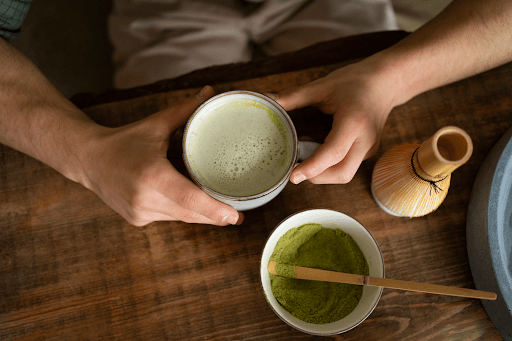
Matcha is made by grinding whole green tea leaves into a fine, vibrant green powder.
Unlike regular green tea—where leaves are steeped and discarded—matcha is fully consumed, meaning you ingest the entire leaf.
Traditionally used in Japanese tea ceremonies, matcha emphasizes mindfulness, balance, and intention.
Because the whole leaf is consumed, matcha delivers a more concentrated nutritional profile compared to brewed green tea.
Nutritional Profile of Matcha
Matcha is especially rich in antioxidants, particularly catechins such as EGCG (Epigallocatechin gallate).
EGCG, known for its strong effect at helping combat oxidative stress in the body.
It also contains caffeine paired with L-theanine, an amino acid known for promoting calm focus.
Additionally, matcha provides small amounts of vitamins and minerals while remaining very low in calories when consumed plain.
These compounds contribute not only to energy and focus.
This has also sparked interest in research on matcha benefits for skin, as antioxidants support cellular protection and overall skin health.
Key Health Benefits of Matcha
High Antioxidant Content
Matcha is full of antioxidants, which help to protect cells from damage caused by training, stress and the environment.
If you like to be active, one of the best things about drinking matcha in the morning is that it helps your body recover and protect itself as soon as you get up.
Calm, Sustained Energy
The combination of caffeine and L-theanine in matcha provides a smoother energy boost compared to coffee.
Many people report feeling alert and energized without the jitters or crash, making matcha a popular choice for workouts or long workdays.
Supports Focus and Mental Clarity
L-theanine is associated with relaxation and improved concentration.
A study suggests matcha may support mental well-being and attentiveness, helping you stay focused during work tasks or mindful activities.
May Support Heart Health
Green tea compounds have been linked to cardiovascular benefits when consumed regularly as part of a healthy diet.
Matcha delivers these compounds in a more concentrated form, which may support heart health alongside exercise and balanced nutrition.
Potential Metabolic Support
Some studies suggest matcha may slightly increase fat oxidation, especially when paired with physical activity.
While it’s not a fat-burning shortcut, matcha can complement an active lifestyle focused on sustainable metabolic health.
Matcha vs Green Tea—What’s the Difference?
Matcha uses whole tea leaves that are consumed entirely, while green tea is brewed and the leaves are discarded.
As a result, matcha typically delivers more caffeine and antioxidants per serving.
However, green tea may be gentler for people who are sensitive to caffeine.
Both options can be healthy—it ultimately comes down to personal tolerance, taste preference, and lifestyle needs.
Potential Downsides & Considerations
Caffeine Sensitivity
Because matcha contains caffeine, some individuals may experience anxiety, restlessness, or sleep disruption.
This is especially true if consumed in large amounts or later in the day.
Quality Matters
Low-grade matcha may taste bitter and can contain impurities or lower levels of beneficial compounds.
Choosing reputable, high-quality matcha is essential to maximize benefits and minimize risks.
Overconsumption Risks
Excessive intake may stress the digestive system or liver, particularly when combined with other caffeine sources.
Moderation is key, more is not always better.
Not a Miracle Food
Matcha supports health, but it can’t replace balanced nutrition, proper training, or recovery.
Its benefits work best as part of an overall healthy lifestyle.
How to Enjoy Matcha Safely & Effectively
To get the most from matcha:
- Choose high-quality culinary or ceremonial-grade matcha
- Start with small servings (½–1 teaspoon per day)
- Avoid drinking matcha late in the day if caffeine-sensitive
- Enjoy it plain or lightly sweetened to preserve its benefits
- Pair matcha with a balanced diet—not as a meal replacement
Since matcha has many benefits, it does not mean that everyone can consume it without supervision.
People who should limit or consult before using matcha include:
- Pregnant individuals
- Those sensitive to caffeine
- People with certain medical conditions or on medication
Is Matcha Worth Adding to Your Diet?
Matcha is a nutrient-dense, antioxidant-rich beverage with research-backed benefits—especially for energy, focus, and overall well-being.
However, it’s not magical, and results depend on quality, moderation, and personal tolerance.
If you enjoy the taste and respond well to caffeine, matcha can be a valuable addition to your routine.
Try incorporating it mindfully, listen to your body, and use it as part of a balanced, active lifestyle—not a shortcut to health.
Visit LUM and LUM's blog to find many articles that support your healthy lifestyle.