One of the most common nutrition questions—especially in fitness and weight-loss circles—is: is fruit bad for weight loss?
You’ve probably heard mixed messages. On one hand, fruit is “natural” and packed with vitamins. On the other hand, it contains sugar, which often gets blamed for fat gain.
Much of the confusion comes from lumping fruit sugar (fructose) together with processed sugars, even though they behave very differently in the body.
Social media trends and low-carb diets have only added to the uncertainty.
The aim of this article is to clarify fruit’s real role in weight management, using research-backed evidence and practical guidance—so you can make confident choices without unnecessary food fear.
Why People Think Fruit Might Be “Bad” for Weight Loss
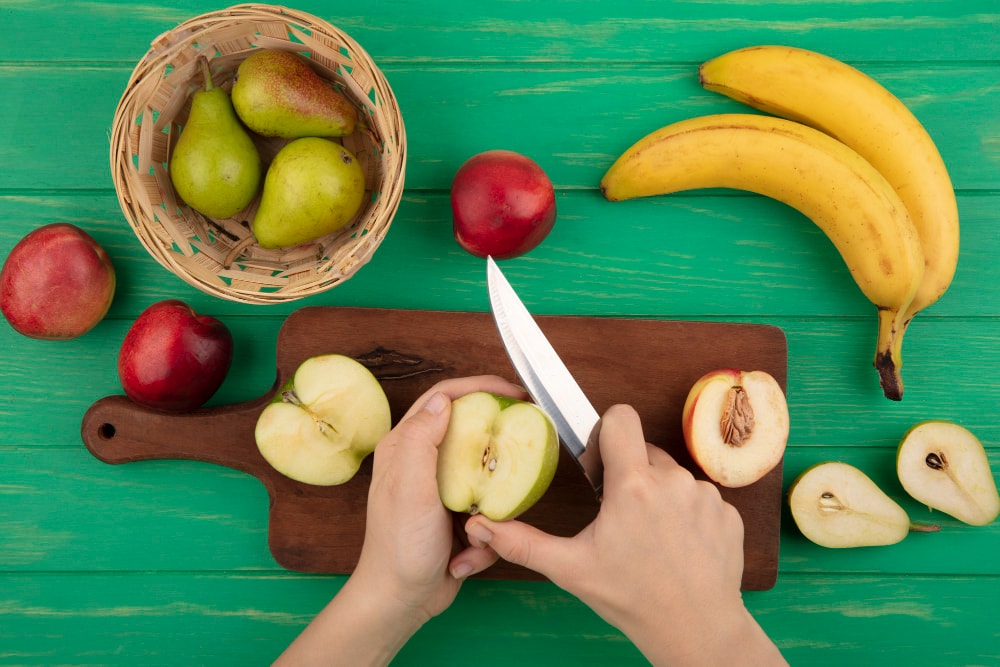
It’s understandable why people ask, does fruit stop weight loss? Several common beliefs fuel this concern:
- Fruit contains natural sugar (fructose)
- Sugar is often misunderstood as automatically causing fat gain
- Some popular diets restrict fruit because it contains carbohydrates
- Fruit juices and smoothies often remove fiber, leading to faster blood sugar spikes
The key issue here isn’t fruit itself—it’s context.
The type of sugar, the presence of fiber, portion size, and the overall diet pattern all matter far more than sugar content alone.
What Fruit Actually Brings to the Table
When we look at fruit and weight loss through a nutritional lens, fruit offers several advantages that support—not sabotage—fat loss.
- Fiber: Helps you feel full, slows digestion, and supports appetite control
- Micronutrients: Provides vitamins, minerals, and antioxidants essential for metabolism and recovery
- Low energy density: Most fruits offer large volume with relatively few calories
- Hydration & phytonutrients: High water content and plant compounds support metabolic and anti-inflammatory processes
In short, fruit is nutrient-dense, not “empty calories.” Diets rich in fruits are consistently associated with better metabolic health and lower risk of chronic disease.
Does Fruit Sugar Harm Weight Loss? The Evidence
The concern around fruit sugar deserves a closer look.
- Fructose from whole fruit is not the same as added sugar found in soda or candy
- Fiber in whole fruit slows sugar absorption, preventing sharp blood glucose spikes
- Research consistently shows higher fruit intake is linked with healthier body weight, not weight gain
- Weight gain comes from chronic calorie surplus, regardless of the food source
The evidence suggests that fruit, eaten in reasonable amounts, is rarely the cause of stalled weight loss.
More often, overall calorie intake, ultra-processed foods, and liquid sugars are the real issues.
Best Fruits for Weight Loss (High Fiber, Lower Sugar)
Some fruits are especially helpful when weight loss is the goal, including many commonly labeled as low carb fruits.
- Berries (strawberries, blueberries, raspberries):
High amount of fiber and antioxidants with relatively low calories (~50 kcal per cup). This combination supports fullness while also helping reduce inflammation, which is beneficial for overall metabolic health. - Apples & pears:
These fruits contain soluble fiber (pectin), which slows digestion and promotes satiety. Their natural crunch also encourages slower eating, helping you feel satisfied with fewer calories. One medium apple or pear typically contains ~4–6 g of fiber. - Kiwi & citrus fruits:
Rich in vitamin C and water, contributing to hydration and immune support. Their fiber content helps moderate blood sugar responses, making them a solid choice for weight-conscious diets, only containing ~40–60 kcal per serving. - Melon & peaches:
These fruits are high in water and low in calorie density, meaning you can eat a generous portion for relatively few calories. This makes them useful for people who enjoy volume and freshness while dieting. - Avocado:
Although higher in calories than most fruits, avocado is rich in fiber and monounsaturated fats. These fats slow gastric emptying and enhance satiety, which can help reduce overall calorie intake when portions are controlled.
These fruits help control appetite while delivering valuable nutrients.
Fruit Portions & How to Eat It Smartly
Even nutritious foods can work against weight loss if portions and combinations aren’t considered.
Fruit is best viewed as part of a balanced eating pattern, not a standalone snack eaten mindlessly.
- Stick to 1–2 servings per day for most weight-loss plans. This amount provides nutritional benefits without significantly increasing calorie intake.
- Pair fruit with protein or fat to slow digestion and stabilize blood sugar. For example, berries with Greek yogurt or an apple with nut butter reduces the likelihood of hunger shortly afterward.
- Favor whole fruit over juice or blended forms. Whole fruit retains its fiber, which slows sugar absorption and promotes fullness. Juices, even when “natural,” are easier to overconsume.
- Avoid fruit packaged with syrups or added sugars, as these negate many of fruit’s natural benefits and increase calorie density.
This approach maximizes satiety and minimizes energy spikes.
When Fruit Can Be Less Helpful for Weight Loss
Fruit isn’t the problem—but certain situations can reduce its effectiveness:
- Overeating calorie-dense fruit sources:
Dried fruits, fruit concentrates, and large portions of tropical fruits can add calories quickly. Because water is removed, it’s easy to eat several servings without feeling full. - Fruit juice consumption:
Juicing removes most of the fiber, leading to faster sugar absorption and reduced satiety. This can contribute to higher total calorie intake over the day. - Adding fruit on top of already high-calorie meals:
Fruit can push meals into calorie surplus if portions aren’t considered within the overall macronutrient balance. - Individual insulin sensitivity differs:
Some people feel better and control appetite more effectively by spreading fruit intake throughout the day or consuming it closer to physical activity.
The takeaway isn’t to avoid fruit, but to use it intentionally, based on your body’s response, preferences, and overall dietary structure.
Conclusion
Fruit is not inherently bad for weight loss. In fact, its fiber, micronutrients, and anti-inflammatory compounds often support healthier body weight and metabolic function.
What truly determines impact is overall diet quality, portion size, physical activity, and food form.
Choosing whole fruit, eating sensible portions, and pairing fruit with protein or fiber makes it an effective part of a weight-loss plan.
The evidence is reassuring: you don’t need to fear fruit to lose weight. Instead, use it intentionally as part of a balanced, sustainable approach.
For more evidence-based nutrition insights and practical guidance, explore Level Up Your Meals and our blog, where science meets real-life fitness and health goals.