Bulletproof coffee is a high-fat, caffeinated drink made by blending freshly brewed coffee with fats like butter and MCT oil.
Instead of cream and sugar, this coffee relies on fats to deliver energy, and it’s often used as a breakfast replacement.
Over the past decade, bulletproof coffee has gained popularity, especially within keto and low-carb communities.
But is it actually healthy, or just another wellness trend?
In this article, we’ll break down what bulletproof coffee really is, how it works, its potential benefits and risks, and who might (or might not) benefit from adding it to their routine.
What Is Bulletproof Coffee?
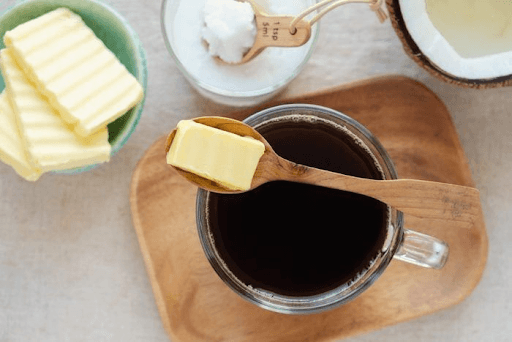
At its core, bulletproof coffee is simple but very specific.
It typically contains three main ingredients: brewed coffee, unsalted butter or ghee, and MCT oil (medium-chain triglycerides).
To make it, hot coffee is blended—not stirred—with the fats until it becomes creamy and frothy, similar to a latte.
This blending step is essential, as it emulsifies the fats and gives the drink its signature smooth texture.
A basic bulletproof coffee recipe avoids milk, sugar, or syrups, keeping carbohydrates extremely low.
The concept became popular through diet trends that emphasize high-fat, low-carb eating, particularly ketogenic diets.
In these eating styles, fat is used as the primary energy source instead of carbohydrates.
How It Works — Calories, Fats & Energy
Bulletproof coffee is very calorie-dense because of its fat content.
A single cup can contain 200–450 calories depending on how much butter and MCT oil are used.
The added fats may slow the absorption of caffeine, which could lead to more stable energy levels and fewer caffeine “jitters” for some people.
MCT oil is especially unique, it’s rapidly absorbed and metabolized by the liver and may be converted into ketones under low-carb conditions.
Ketones can serve as an alternative energy source, particularly for the brain.
These mechanisms are often cited as bulletproof coffee benefits, but it’s important to note that individual responses vary widely.
Potential Health Benefits
Some people report positive effects from drinking bulletproof coffee, particularly in specific dietary contexts:
- Sustained energy and fullness: The combination of caffeine and fats may help reduce energy crashes and keep hunger at bay longer than black coffee alone.
- Appetite control: High-fat beverages can delay stomach emptying, which may reduce mid-morning hunger for some individuals.
- Fits low-carb and ketogenic diets: Bulletproof coffee is extremely low in carbs, making it compatible with keto-style eating patterns.
- Basic coffee benefits: Coffee itself contains antioxidants and is linked to improved alertness and cognitive performance when consumed in moderation.
While these benefits are commonly reported, strong long-term clinical evidence supporting bulletproof coffee as superior to balanced meals is limited.
Potential Risks & Downsides
Despite its popularity, bulletproof coffee has several notable drawbacks, especially for those focused on long-term health.
- Very high in calories and saturated fat: Butter and ghee are rich in saturated fat. Excess intake may negatively affect heart health, particularly in people sensitive to saturated fats.
- Low in nutrients: Bulletproof coffee contains almost no protein, fiber, vitamins, or minerals—nutrients typically found in a balanced breakfast.
- Possible increase in LDL cholesterol: Diets high in saturated fat have been linked to increased LDL (“bad”) cholesterol in some individuals, which may raise cardiovascular risk.
- Poor substitute for a nutritious meal: Regularly replacing breakfast with bulletproof coffee can lead to nutrient gaps over time.
- Not suitable for everyone: Individuals with high cholesterol, heart disease risk, digestive issues, or specific medical conditions may need to avoid it.
Is It Healthy & Who Might Benefit?
For most healthy adults, occasional bulletproof coffee is unlikely to cause harm.
However, drinking it daily should be evaluated within the context of your overall diet and health goals.
People following strict ketogenic or very low-carb diets may find bulletproof coffee useful for maintaining satiety and energy, particularly during fasting periods.
Athletes or highly active individuals, however, often benefit more from meals that include protein and carbohydrates to support recovery and performance.
For many people, a balanced breakfast—such as eggs with vegetables, yogurt with fruit, or oats with protein—offers broader nutritional benefits.
If you’re unsure whether bulletproof coffee fits your lifestyle, consulting a healthcare or nutrition professional is a smart step.
Conclusion
Bulletproof coffee is a high-fat, high-calorie beverage that offers quick energy and may help control appetite in certain dietary contexts.
However, scientific support for many of its more ambitious health claims remains limited.
While it can fit into specific low-carb or ketogenic routines, bulletproof coffee shouldn’t replace nutrient-rich meals on a regular basis.
Moderation, personalization, and overall dietary quality matter far more than any single drink.
Adding bulletproof coffee into your routine depending on your health goals, tolerance to saturated fats, and commitment to a balanced, sustainable eating pattern.
Want to know more about healthy habits and lifestyle? Start to explore LUM and LUM’s blog to find other interesting articles like this.