Red cabbage isn’t just a colorful addition to your plate, this veggie packed with antioxidants, vitamins, and healing compounds.
From boosting gut health to supporting your heart and immune system, this vibrant vegetable offers far more than meets the eye.
Backed by scientific research, red cabbage has gained attention for its impressive role in wellness, disease prevention, and even longevity.
Ready to discover why this humble veggie deserves a spot in your meals?
What are Red Cabbages?
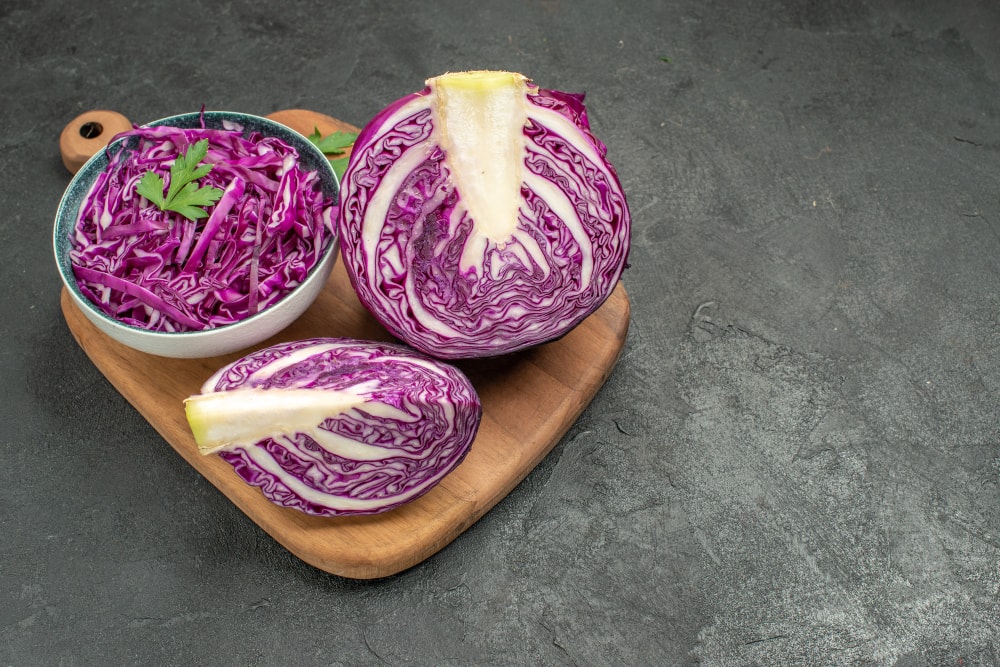
Red cabbage (Brassica oleracea var. capitata f. rubra) is a leafy cruciferous vegetable known for its deep purple or reddish hue.
This color comes from anthocyanins, a powerful natural pigment with antioxidant properties.
It is closely related to green cabbage but offers a slightly sweeter and earthier flavor.
Commonly eaten raw in salads, pickled, fermented as sauerkraut, or cooked, red cabbage is both nutrient-dense and visually appealing.
10 Health Benefits of Red Cabbages
Here are 10 science-backed benefits of red cabbage for your your body:
1. Rich in Antioxidants
Red cabbage contains high levels of anthocyanins and vitamin C, which help neutralize free radicals and reduce oxidative stress.
These compounds may protect cells from DNA damage and support overall longevity.
2. Supports Gut Health
Studies show that red cabbage juice can modulate the gut microbiota and promote intestinal balance.
Research indicates that it may help restore epithelial health and alleviate gut inflammation.
3. Anti-Inflammatory Properties
The polyphenols and flavonoids in red cabbage can help reduce inflammation throughout the body.
This can be beneficial for conditions like colitis, arthritis, and chronic oxidative stress.
4. May Improve Skin Health
Its antioxidants, particularly vitamin C and anthocyanins, may help protect the skin from environmental damage.
These nutrients support collagen synthesis and reduce signs of aging.
5. Boosts Immune System
Red cabbage is abundant in vitamin C and K, which play essential roles in immune defense and healing.
Regular intake can reduce susceptibility to infections.
6. Supports Heart Health
Red cabbage contains anthocyanins that contribute to improved blood vessel health and decreased blood pressure.
Fiber content in red cabbage also helps maintain healthy cholesterol levels.
7. Potential Cancer-Fighting Effects
Like other cruciferous vegetables, red cabbage contains glucosinolates that may aid in detoxification and reduce cancer risk.
These compounds have been widely studied for their role in protecting against digestive and breast cancers.
8. Aids Digestion and Detoxification
The fiber in red cabbage supports bowel regularity and helps remove toxins from the digestive tract.
Fermented options like sauerkraut can also support probiotic intake.
9. May Support Longevity
Research found that red cabbage extract increased stress resistance and lifespan in laboratory models like C. elegans.
These benefits are linked to its antioxidant and anti-inflammatory compounds.
10. Supports Lactational Mastitis Relief (Topically)
A study reported that red cabbage may be used as a complementary method to relieve pain and swelling from lactational mastitis.
Though not a food benefit, it demonstrates the plant’s broader therapeutic properties.
Potential Side Effects of Red Cabbages
Red cabbage is generally safe for most people, but there are a few considerations:
- Digestive Discomfort: Its fiber and sulfur content may cause gas or bloating in some individuals, especially when eaten raw in large portions.
- Thyroid Interaction: Like other cruciferous vegetables, it contains goitrogens, which may interfere with thyroid function in those with existing thyroid disorders if consumed excessively and uncooked.
- Medication Interactions: Its high vitamin K content could affect blood-thinning medications like warfarin. People on such treatments should consult a healthcare professional.
Most healthy individuals can safely enjoy red cabbage in moderation without adverse effects.
Nutrition of Red Cabbages
Red cabbage is low in calories but high in essential nutrients. One cup (89g) of raw red cabbage provides:
- Calories: 25 kcal
- Fiber: 2g
- Vitamin C: Over 50% of daily value (DV)
- Vitamin K: 40% DV
- Vitamin A: Small but meaningful amounts
- Potassium, Folate, and Manganese
Its anthocyanins and glucosinolates make it especially beneficial for antioxidant protection and cellular health.
Research highlights its superior stress resistance benefits compared to green cabbage.
Red vs. Other Types of Cabbage: Which Is Healthier?
While all cabbage varieties share impressive health benefits, red cabbage stands out for its color compounds and antioxidant strength.
Here’s how red cabbage compares nutritionally to green, savoy, and napa (Chinese) cabbage per 1 cup (89g) of raw vegetable:
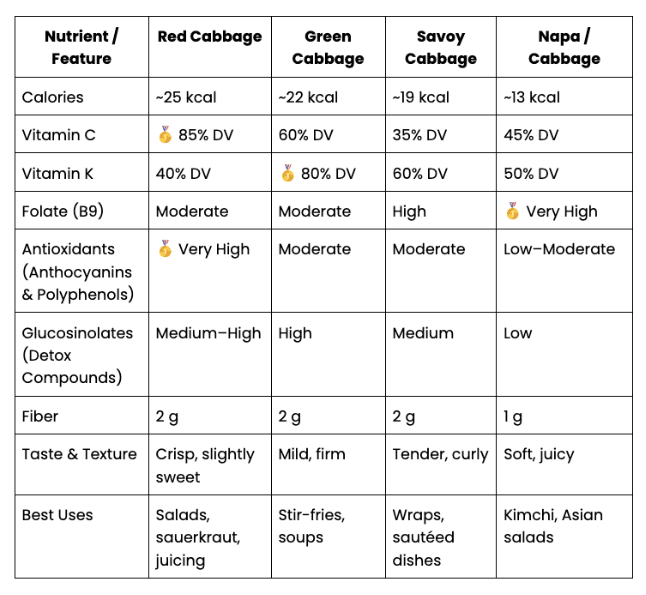
Verdict: Red cabbage ranks highest for antioxidant and anti-inflammatory potential, but combining different cabbage types in your diet ensures a broader range of nutrients and gut-friendly compounds.
5 Healthy Ways to Consume Red Cabbages
So many ways to enjoy this valuable veggie, these are some ways you should try:
- Raw in Salads: Add shredded red cabbage to salads or coleslaw for crunch and maximum nutrient retention.
- Fermented as Sauerkraut or Kimchi: Enjoy probiotic benefits that improve digestion and immunity.
- Lightly Sautéed or Stir-Fried: Cooking briefly helps soften texture while preserving antioxidants.
- Juiced or Blended: Combine with other vegetables or fruits for a colorful, nutrient-rich drink.
- Roasted or Steamed: A gentle cooking method that enhances flavor while maintaining nutritional density.
Conclusion
Whether you enjoy it raw, fermented, or cooked, red cabbage offers a wide range of health benefits you can tap into every day.
Its nutrients support your gut, heart, skin, and immune system, making it one of the most underrated superfoods in your kitchen.
Let’s learn more about diet and fitness by checking out our articles on LUM’s blog!