When it comes to wholesome grains, couscous benefits often go unnoticed, but this tiny North African staple packs a serious nutritional punch.
Made from semolina wheat, couscous is light, versatile, and rich in essential nutrients like selenium, protein, and fiber.
Let’s explore why adding couscous to your meals could be one of the smartest choices for your well-being.
What is Couscous?
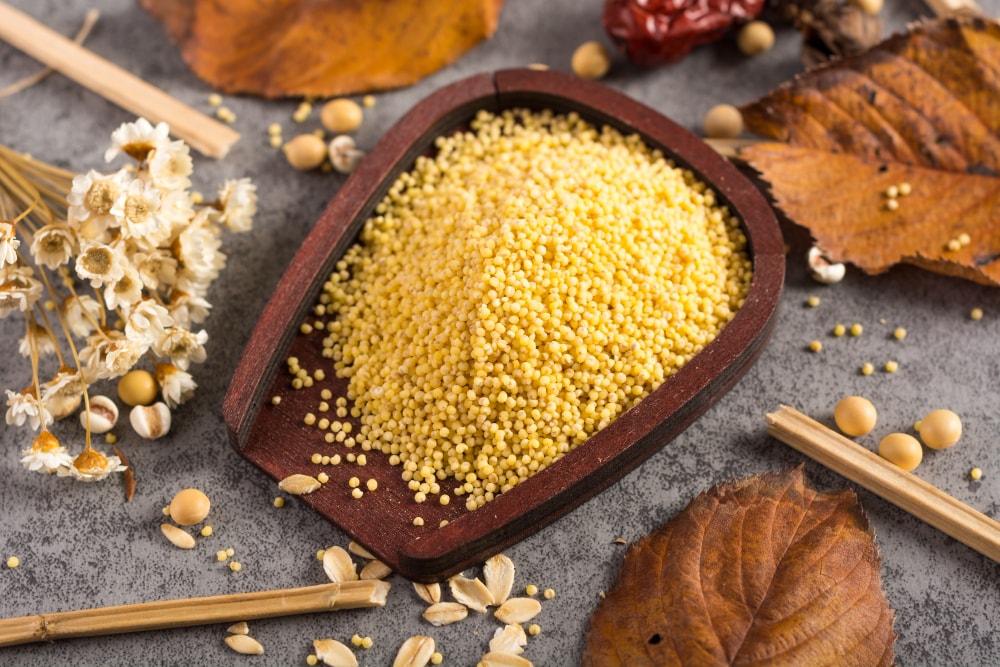
Couscous is a traditional North African dish made from tiny steamed balls of crushed durum wheat semolina.
Although it looks like a grain, it’s actually a type of pasta.
It’s light, fluffy, and absorbs the flavors of sauces and vegetables easily, making it a versatile base for both savory and vegetarian dishes.
10 Health Benefits of Couscous
Below are ten proven health benefits, explained in depth:
1. Rich in Plant-Based Protein
Couscous offers about 6 grams of protein per cup, making it a valuable plant-based protein source, especially for vegetarians.
Protein is essential for building and repairing tissues, maintaining lean muscle, and supporting hormone production.
When paired with legumes like chickpeas, couscous provides all essential amino acids for complete nutrition.
2. High in Selenium
Selenium is one of couscous’s standout nutrients, with just one serving providing more than 60% of your daily recommended intake.
This mineral acts as a powerful antioxidant that helps protect your cells from oxidative damage and supports thyroid and immune functions.
Research shows that adequate selenium levels are linked to a lower risk of chronic diseases.
3. Supports Heart Health
Thanks to its selenium and fiber content, couscous helps reduce oxidative stress and inflammation, two major contributors to heart disease.
Whole-grain couscous may also help maintain healthy cholesterol levels.
Regular consumption, combined with a balanced diet, can contribute to long-term cardiovascular health.
4. Promotes Digestive Health
Couscous made from whole durum wheat contains resistant starch, which nourishes beneficial gut bacteria.
This supports better digestion, nutrient absorption, and a stronger immune system.
A healthy gut microbiome also helps reduce inflammation and improve overall metabolic health.
5. Helps in Weight Management
Couscous is low in fat and moderate in calories, making it ideal for those managing their weight.
Its complex carbohydrates and fiber content promote satiety, reducing unnecessary snacking and overeating.
Eating couscous with vegetables or lean protein creates a balanced, filling meal that keeps you energized longer.
6. Regulates Blood Sugar Levels
Whole-grain couscous has a lower glycemic index than refined grains, which means it releases sugar into the bloodstream more slowly.
This helps maintain steady energy and prevents sudden spikes in blood sugar.
Choosing whole-grain couscous is especially beneficial for people managing diabetes or insulin resistance.
7. Boosts Immunity
Selenium and B vitamins in couscous play key roles in maintaining a strong immune system.
Selenium supports the production of antioxidants and antibodies that fight off infections.
Regular consumption may also enhance the body’s defense against oxidative stress and inflammation.
8. Good Source of B Vitamins
Couscous provides essential B vitamins like niacin, thiamine, and folate, which help convert food into energy.
These vitamins also support healthy brain function, red blood cell formation, and mood regulation.
Including couscous in your diet helps you stay energized and focused throughout the day.
9. Supports Healthy Skin and Hair
The antioxidants and selenium in couscous protect skin cells from free radical damage, promoting elasticity and a youthful glow.
Selenium also plays a role in maintaining scalp health and reducing inflammation that can contribute to hair loss.
Combined with a nutrient-rich diet, couscous supports overall skin and hair vitality.
10. Easy to Digest and Versatile
Couscous’s soft, fluffy texture makes it gentle on the stomach and easy to digest.
It’s also incredibly versatile, you can serve it hot or cold, with vegetables, herbs, or lean proteins.
This makes it a convenient, healthy base for Mediterranean-style dishes that fit almost any dietary preference.
Nutritional Profile of Couscous
Couscous is nutrient-dense and provides a balanced mix of carbohydrates, protein, and essential micronutrients.
Per 1 cup (157g) cooked couscous:
- Calories: ~176 kcal
- Protein: 6 g
- Carbohydrates: 36 g
- Fiber: 2 g
- Fat: <1 g
- Selenium: 43 mcg (61% DV)
- Folate: 24 mcg (6% DV)
- Manganese: 0.1 mg (5% DV)
Couscous made from durum wheat contains high-quality gluten proteins, essential amino acids, and bioactive compounds that enhance its nutritional value.
A study highlights how durum wheat’s genetic improvements have boosted nutrient density and sustainability.
Is Couscous Good for Everyone?
While couscous is healthy for most people, it may not suit everyone. Some side effects that may occur are:
- Gluten Sensitivity or Celiac Disease: Couscous is made from wheat, so it’s unsafe for those with gluten intolerance or celiac disease.
- High Glycemic Index (for refined couscous): Refined versions can spike blood sugar, so whole-grain types are better for diabetics.
- Allergies: Rare wheat allergies may cause mild to severe reactions.
Is It Safe for Everyone?
Generally, yes! Except for people who must avoid gluten or control blood sugar carefully.
Whole-grain couscous, however, offers more fiber and nutrients, making it a safer, more beneficial choice for most adults.
Conclusion
From boosting immunity to supporting weight management, couscous proves that big health rewards can come in small packages.
With its mild flavor and easy preparation, it’s a perfect fit for both as a side dish or the base of a vibrant salad
Start reaping the couscous benefits today, try adding it to your diet and taste how good healthy eating can be!
Let’s learn more about diet and fitness by checking out our articles on LUM’s blog!